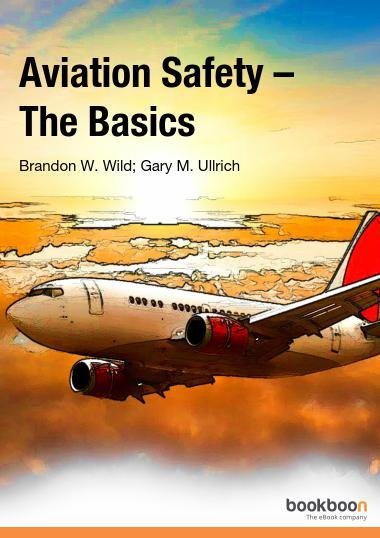
Aviation Safety – The Basics
Build practical safety thinking across aviation operations.
جديد هنا؟ لا تحتاج إلى حساب، سننشئ لك واحداً في ثوانٍ عند الدفع. لديك حساب؟ سجّل الدخول
لماذا تقرأ هذا الكتاب؟
- • Learn how safety management fits alongside production goals
- • Understand SMS pillars and how they drive daily safety work
- • Use real investigation concepts: sites, wreckage, working groups
- • Study human factors through HFACS and Reason’s model
- • Apply practical guidance on common operational hazards
الوصف
Aviation Safety – The Basics introduces the core ideas, methods, and programs used to improve safety across aviation. It begins with the philosophy of safety, including cost/benefit thinking and the need for a balanced safety approach that can coexist with production goals. The book then moves into Safety Management Systems (SMS), explaining the four pillars—safety policy, safety risk management, safety assurance, and safety promotion—along with roles such as the accountable executive. Subsequent chapters cover accident investigation theory and practical investigation topics such as site safety, wreckage analysis, photography, and working groups. The text also addresses general aviation accidents, proactive flight safety programs (FOQA, ASAP, LOSA), human factors (HFACS and the Swiss Cheese model), and key hazards including hazardous attitudes, anti-drug programs, pilot decision making, midair collision avoidance, bird strike mitigation, fatigue, and hazardous weather.
فهرس المحتويات
Acknowledgements
1 The Philosophy of Safety
2 Aviation Safety Program Management and Safety Management System (SMS)
3 Accident Investigation Theory
4 Aircraft Accident Investigation
5 General Aviation Accidents
6 Flight Safety Programs
7 The Human Factors Analysis and Classification System (HFACS) and The “Swiss Cheese Model of Accident Causation”
8 Hazardous Attitudes
9 Anti-Drug Programs in Aviation
10 Pilot Decision Making
11 Mid Air Collision Avoidance
12 Bird Strike Mitigation
13 Managing Fatigue
14 Hazardous Weather
Key Terms

















لا توجد تقييمات بعد