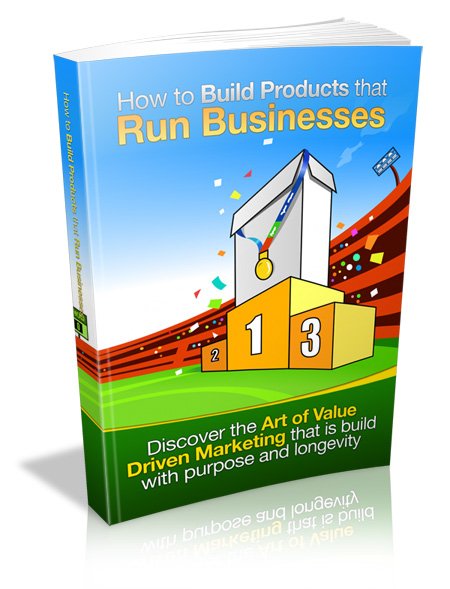
Hook: Build products that not only satisfy customers but also sustain a thriving business
In a world crowded with ideas, choosing the right product strategy is what separates lasting companies from fleeting startups. How to Build Products that Run Businesses translates pragmatic decision-making into a clear, actionable blueprint. The book argues that product success isn’t just about clever features; it’s about aligning product decisions with the health and longevity of the business, ensuring that every launch strengthens revenue, margins, and market position. If you’re a product leader, entrepreneur, or executive aiming for durable impact, this guide provides the roadmap to turn concepts into products that run a business—and run it well.
About the Book
The author pinpoints five key factors that determine product success, and pairs them with five common failure points to help readers diagnose and fix problems before they derail a product. The approach is practical and grounded in real-world scenarios, with sharp guidance on evaluating demand, refining marketing efforts, and making cost-conscious but strategic decisions. From distinguishing between in-demand products and those facing shrinkage in interest to optimizing promotions and gathering customer feedback post-launch, the book connects every development choice to sales outcomes and long-term viability. Clear examples illuminate how thoughtful product design, disciplined marketing, and ongoing iteration combine to sustain a business over time.
What you’ll learn
- Five factors for product success: practical levers that influence adoption, profitability, and longevity.
- Five common reasons products fail: how issues like poor quality, lack of uniqueness, and weak promotion erode value and market position.
- Market evaluation techniques: how to tell if a product is in demand and how to pivot when demand shifts.
- Cost-reduction and optimization strategies: building on demand, rationalizing product lines, and improving efficiency without sacrificing value.
- Promotion and post-launch feedback: turning customer input into ongoing improvements that drive repeat sales.
Who should read this book
This book speaks to product managers, startup founders, marketing leaders, and executives who are responsible for turning ideas into sustainable revenue. If you’re tasked with aligning product development with strategic business goals, you’ll find a framework that clarifies priorities, reduces waste, and accelerates time-to-impact. The author’s accessible approach makes complex trade-offs tangible, enabling readers to act decisively in fast-changing markets.
Why it stands out
What makes How to Build Products that Run Businesses distinctive is its direct link between product decisions and business health. Rather than offering abstract theory, the book provides concrete criteria for evaluating demand, predicting performance, and measuring success in ways that map to real-world outcomes. Its balance of five success factors and five failure points creates a practical diagnostic tool: you can assess a product's trajectory, identify bottlenecks, and implement targeted improvements. The emphasis on cost discipline—building on demand and rationalizing lines—ensures readers think not only about value but also about sustainable profitability. The result is a playbook that helps teams build products that customers want and that businesses can rely on for growth and resilience.
Closing: turn insights into action
Leaning into the strategies in How to Build Products that Run Businesses empowers you to make smarter bets, optimize promotion, and leverage customer feedback to refine your product portfolio. The book’s practical cadence—assess demand, address the five failure modes, and continuously iterate—offers a clear path from ideation to market leadership. If you’re ready to align product development with sales and long-term viability, this is the guide that translates knowledge into measurable results. Make the decision today to invest in products that do more than exist—they endure, scale, and drive sustained business success.