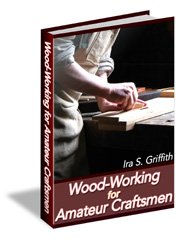
WOOD-WORKING FOR AMATEUR CRAFTSMEN
Practical, clearly explained steps for making wood projects at home.
جديد هنا؟ لا تحتاج إلى حساب، سننشئ لك واحداً في ثوانٍ عند الدفع. لديك حساب؟ سجّل الدخول
لماذا تقرأ هذا الكتاب؟
- • Learn the fundamentals first: stock bills, layout, and accurate measurement.
- • Master practical tool use—saws and planes—plus sharpening and grinding.
- • Build correct squares and surfaces using repeatable checking methods.
- • Follow project chapters that apply the learned processes to real objects.
- • Gradually increase complexity from simple boxes to a cabinet.
الوصف
Written for beginners, WOOD-WORKING FOR AMATEUR CRAFTSMEN teaches essential shop skills through straightforward, instructional chapters. After explaining how to make out a stock bill and lay out rough stock, the book covers core hand tools and techniques—hand saws, sawing methods, and planing—along with how to set and adjust plane irons. It then guides the reader through squaring up both mill-planed stock and rough stock, including common accuracy tests. Later chapters apply these fundamentals to beginner-friendly projects: a bird box, a taboret, an umbrella stand, a magazine stand, a table, and a cabinet, each introducing additional wood-working processes and joints like dadoes, mortise-and-tenon work, and panel frames.
فهرس المحتويات
CHAPTER I, Making Out a Stock Bill
CHAPTER II, Laying Out Rough Stock
CHAPTER III, Hand Saws
CHAPTER IV, Sawing with Hand Saws
CHAPTER V, Planes: How to Set and Adjust the Irons
CHAPTER VI, Squaring Up Mill-Planed Stock
CHAPTER VII, Squaring Up Mill-Planed Stock (continued)
CHAPTER VIII, Squaring Up Rough Stock
CHAPTER IX, Whetting Plane Irons and Chisels
CHAPTER X, Grinding Plane Irons and Chisels
CHAPTER XI, Making a Bird Box
CHAPTER XII, Making a Taboret
CHAPTER XIII, How to Make an Umbrella Stand
CHAPTER XIV, Making a Magazine Stand
CHAPTER XV, Making a Table
CHAPTER XVI, Making a Cabinet
معاينة
Three practices are common in preparing lumber for use: To sell it to the workman in the rough, just as it comes from the sawmill; to machine-plane the pieces to thicknesses and widths such as the finished pieces demand, so that only the lengths require the attention of the worker—aside from the making of the joints; and to mill-plane the stock on two surfaces to stock thicknesses, but allowing the lengths and widths to remain as in rough stock.





















لا توجد تقييمات بعد