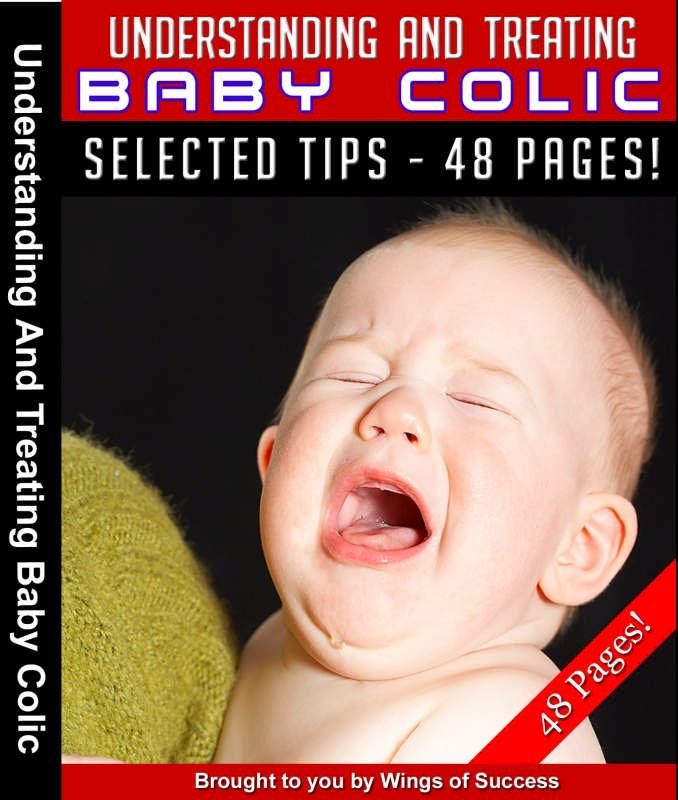
Hook: A Compassionate Guide Through the Cries
For new parents, the sound of a crying baby can be overwhelming and frightening. Understanding And Treating Baby Colic offers a steady, evidence-based compass for navigating those early weeks, separating normal fussiness from deeper concerns, and discovering practical ways to bring relief to both baby and caregiver. This book speaks with reassurance, clear steps, and a hopeful path forward—so families can breathe easier and reconnect with the joy of early parenthood.
About the Book
Understanding And Treating Baby Colic explains what colic is, when it typically happens, and why many researchers are unable to pinpoint a single cause. It outlines patterns such as crying spells that begin in the first weeks of life, peak around two months, and usually settle by the fourth month. The guide helps parents distinguish colic from other reasons for crying, outlines factors that can worsen episodes, and describes practical steps for calming a colicky infant at home. It also covers related topics such as breastfeeding and colic, as well as renal colic, and provides sections on comfort techniques and natural remedies. Throughout, the report emphasizes staying calm, ruling out other issues, and seeking medical advice when needed.
What You’ll Learn: Key Takeaways
- Understanding colic patterns: typical timelines, what to expect, and how to recognize it from other forms of distress.
- Practical calming strategies: hands-on techniques to soothe a fussy baby during episodes, including positioning, movement, and gentle routines.
- When to seek medical guidance: signs that medical evaluation is warranted to rule out other causes of crying.
- Breastfeeding considerations: how feeding choices can influence colic and practical tips to support both infant and breastfeeding parent.
- Natural and comfort remedies: accessible, safe approaches families can try at home to reduce discomfort and distress.
- Ruling out other issues: a gentle framework for distinguishing colic from reflux, gas, or unrelated illnesses.
- Staying calm and sustainable care: strategies to maintain caregiver well-being during stressful crying spells.
Who Should Read This Book
This guide is essential for new parents, caregivers, and family members who want practical, easy-to-implement techniques for soothing a colicky baby. It’s also a valuable resource for pediatric caregivers seeking a concise, compassionate overview of colic, its common patterns, and actionable steps that can be incorporated into daily routines. If you’re navigating early parenthood and want clarity, reassurance, and proven approaches, this book speaks in a confident, supportive voice about a very common parenting challenge.
Why It Stands Out
What makes Understanding And Treating Baby Colic distinctive is its blend of clear explanation, practical home strategies, and a balanced view of ongoing uncertainties in the field. Rather than promising a single cause or miraculous cure, the author provides a structured framework: identify, soothe, calm, and seek medical input when necessary. The guidance is grounded in routine care principles—consistent feeding practices, responsive soothing, and patience—while recognizing the emotional toll on families. This approach helps readers feel empowered rather than overwhelmed, turning a period of intense crying into a manageable, temporary phase with a plan.
Closing: A Companion for Every Household
Understanding And Treating Baby Colic invites you to approach early parenting with confidence. By learning to recognize the signs, applying practical calming techniques, and knowing when to consult healthcare professionals, you can shorten difficult episodes and restore balance to your home. The book’s careful, practical counsel is designed to accompany you through the peak crying period and beyond, offering reassurance that colic is a common, manageable part of infancy. If you want a trusted resource that respects the daily realities of caregiving while delivering actionable steps, this book is a thoughtful addition to your parenting library.