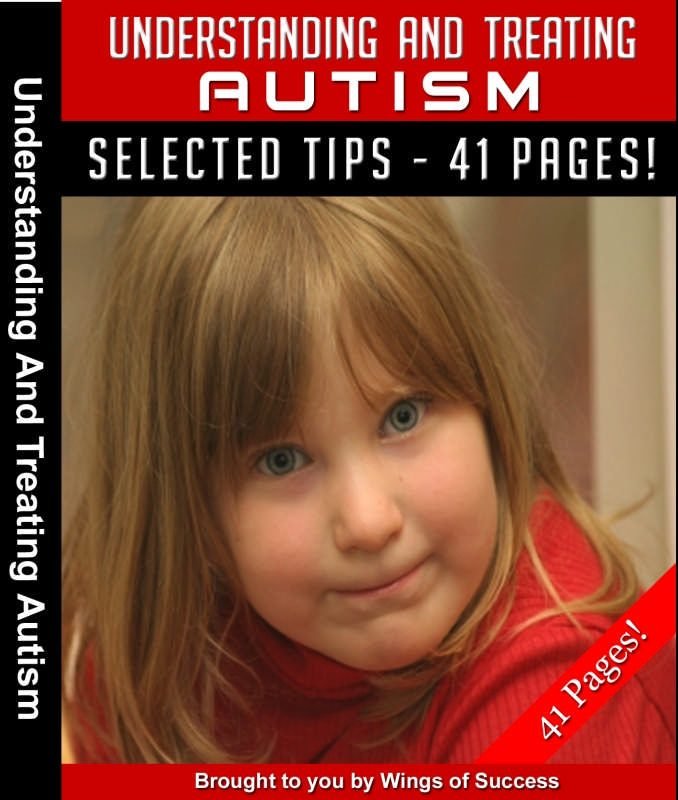
Unlocking Clarity: A Practical Guide for Families Facing Autism
When a child’s autism diagnosis arrives, uncertainty can feel overwhelming. Understanding And Treating Autism offers a steady, informed compass for parents and caregivers, guiding you through the complex landscape of causes, diagnosis, therapies, and daily routines. This book is written to empower families with reliable information, compassionate insight, and practical steps that can make a meaningful difference in a child’s development and family life.
About the Book
The author presents an accessible overview of autism, including possible causes and prevailing theories, without overwhelming jargon. The book emphasizes the emotional journey parents may experience after a diagnosis, acknowledging fear, hope, and the practical needs that follow. It explains how doctors diagnose autism using a range of assessments and tests, helping readers understand what to expect at medical visits and how to advocate effectively for their child.
Beyond diagnosis, the book explores key signs and symptoms, offers guidance on dietary considerations such as gluten-free approaches, and reviews categories of medications used to address specific symptoms. It also presents alternative therapies with thoughtful scrutiny, provides coping strategies for parents, and discusses the importance of routines and scheduling in fostering consistency and security for children with autism.
What You’ll Learn: Key Takeaways
- Clear knowledge of the diagnostic process and commonly used assessments that help identify autism in children.
- Insight into early signs and evolving symptoms to help with timely recognition and intervention.
- Overview of treatment options including behavioral therapies, educational strategies, and medical considerations.
- Practical guidance on daily routines and structured schedules that support learning and communication.
- Understanding dietary approaches, including gluten-free discussions, with practical considerations for families.
- Medication categories and their roles in addressing targeted symptoms, presented with caution and clarity.
- Evaluation of alternative therapies and evidence-based perspectives to help families make informed choices.
- Emotional and parenting strategies to cope with the diagnosis, process emotions, and maintain family resilience.
- Coverage of related conditions like Asperger’s syndrome and PDD-NOS, including diagnostic criteria and next steps.
Who Should Read This Book
This guide is essential for parents and primary caregivers who are navigating a recent autism diagnosis or suspect autism may be present. It also serves educators, family members, and healthcare professionals seeking a concise, family-centered resource. The author speaks directly to readers, offering reassurance while delivering practical concepts you can apply from day one.
Why This Book Stands Out
Understanding And Treating Autism distinguishes itself by balancing empathy with expertise. The author presents complex medical and diagnostic concepts in approachable language, making it easier for families to participate actively in care decisions. Rather than promising one-size-fits-all solutions, the book emphasizes personalized approaches, critical evaluation of therapies, and the realities of daily life—routines, school planning, and social development. Its breadth—covering diagnosis, treatments, dietary considerations, and related conditions—helps readers form a cohesive picture of autism and the path forward.
Who This Is For
Whether you’re a parent seeking foundational knowledge after a diagnosis, a caregiver coordinating a child’s care plan, or a professional supporting families, this book provides structure, reassurance, and actionable steps. If you want a reliable, respectful resource that respects the individuality of every child while offering practical guidance, this book is a strong companion on your journey.
Closing: Build Understanding, Build Confidence
Understanding And Treating Autism is more than a reference; it’s a companion for families who want to understand what autism means for their child and their daily life. With clear explanations, realistic expectations, and a focus on practical strategies, this guide helps you move from uncertainty to action—with confidence in the decisions you make for your child’s development and well-being. If you’re ready to deepen your knowledge, navigate options thoughtfully, and create a supportive, structured environment, this book is a resource you’ll return to again and again as your family grows and adapts.