Hook: unlocking the artist in you with a simple pencil
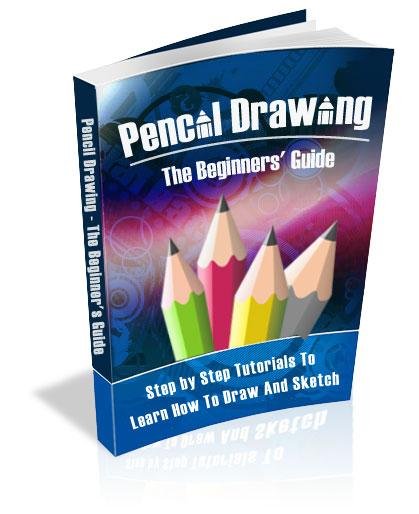
Every great artist begins with a single line, and for aspiring drawer enthusiasts, that line is often just a pencil. Pencil Drawing: A Beginner's Guide speaks directly to newcomers, offering a friendly, non-technical pathway into the world of graphite. It demystifies the process, highlights practical advantages like erasability and adjustability, and addresses common concerns such as smudging and protecting finished work. If you’ve ever wanted to sketch with confidence, this book meets you right where you are and guides you toward real progress with clear steps and encouraging examples.
About the Book
The book is crafted as a practical, beginner-focused introduction to drawing with pencils. It opens by answering fundamental questions about what makes a good artist and why pencil drawing is an approachable, versatile medium. It then moves into a practical “Getting Started” section that covers essential tools, how to choose pencil types, and other materials you’ll need. The guidance remains approachable, avoiding jargon while building a solid foundation in technique.
From there, the reader explores core drawing skills. The book teaches fundamentals of sketching—how to hold a pencil, how to create different kinds of lines, and how to use basic shapes as building blocks. It introduces perspective and demonstrates how to build form through tones, shadows, and shading techniques. These fundamentals form the backbone of confident drawing, transforming simple marks into expressive, lifelike images.
What you’ll learn (key takeaways)
- Getting started with confidence: choosing pencils, papers, and tools, and setting up a simple, effective workspace.
- Fundamental drawing techniques: line quality, gesture, shapes, and the basics of constructing form.
- Tone and shading: how to model light and shadow to create depth and realism.
- Perspective basics: understanding vanishing points, scale, and spatial relationships in drawings.
- Protecting your work: approaches to erasing carefully, preventing smudges, and preserving finished pieces.
- Expanding beyond graphite: opening doors to color pencils, watercolor pencils, oil pencils, pen and ink, and even mixed-media ideas.
- Practical exercises and faster-drawing tips: time-saving strategies to build fluency and confidence.
Who should read this book
The author writes with a warm, encouraging tone that welcomes absolute beginners, hobbyists, and anyone curious about drawing. If you’ve never picked up a pencil or you’ve tried before without finding your footing, this guide offers a clear, structured path to improvement. It’s equally valuable for readers who want to revisit fundamentals, solidify their practice, and explore a variety of media without being overwhelmed by technical jargon.
Why this book stands out
What sets Pencil Drawing: A Beginner's Guide apart is its thoughtful balance between accessible language and practical technique. The author deliberately breaks down complex concepts into approachable steps, using everyday language to explain line quality, form, shading, and perspective. The book also embraces breadth, guiding readers not only through graphite drawing but also through introductory explorations of color pencils, watercolor pencils, oil pencils, and pen and ink. This roadmap encourages experimentation, helps readers discover their preferred medium, and keeps the learning process engaging.
Another strength is the emphasis on habit formation and practice. The book offers structured exercises and faster-drawing tips designed to build muscle memory and confidence quickly, so readers can see tangible progress early and stay motivated. By addressing both creation and preservation—how to protect finished work—readers gain practical, real-world tools that support long-term artistic growth.
Closing: a clear path from beginner to confident drawer
If you’re ready to turn curiosity into skill, Pencil Drawing: A Beginner's Guide provides a clear, encouraging roadmap. It respects your starting point, breaks down the essentials into manageable steps, and invites you to experiment with different media while you build a solid foundation in graphite drawing. With steady practice guided by the book’s approachable instructions, you can develop a dependable drawing routine, produce satisfying results, and feel genuinely inspired to continue learning. Start your journey with the author’s thoughtful guidance and watch your pencil come to life on the page.