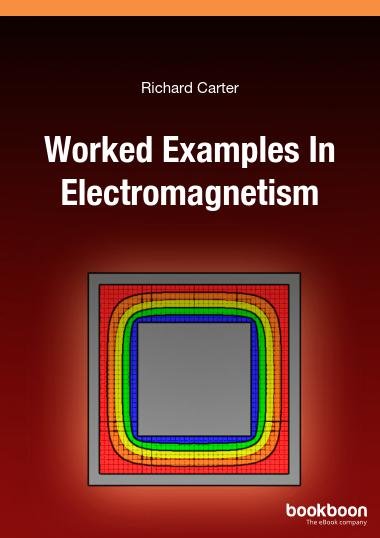
Unlocking Electromagnetism for Modern Electronic Engineers
Electromagnetism is the backbone of how we design and analyze the devices that power today’s electronics. From antennas and wireless communication to motors and sensors, a solid grasp of electromagnetic principles translates into smarter designs, fewer failures, and more reliable performance. This book, Electromagnetism For Electronic Engineers: Examples, delivers that clarity through practical, hands-on examples tailored for engineers who crave actionable insight—without getting lost in abstract theory.
About the Book
The book takes the essential concepts of electromagnetism and grounds them in real-world engineering scenarios. Each chapter builds intuition by starting with a tangible problem, then unpacking the underlying theory with concise explanations and worked examples. Whether you are refining a high-frequency circuit, optimizing an antenna, or designing a sensor system, you’ll find methods, formulas, and design strategies that you can apply immediately. The emphasis is on practical understanding: how electromagnetic fields interact with materials, how waves propagate in different media, and how Maxwell’s equations translate into engineering solutions.
What You’ll Learn
- Fundamental principles: field concepts, Maxwell’s equations, and boundary conditions explained in a way that aligns with engineering workflows.
- Wave propagation and antennas: how electromagnetic waves behave in free space and through media, plus practical antenna design insights.
- Transmission lines and circuits: impedance, reflection, standing waves, and how to model high-frequency behavior in real circuits.
- Materials and media interactions: dielectrics, conductors, and magnetic materials, including how permeability and permittivity affect performance.
- Measurement and validation: translating theoretical predictions into test procedures and interpretation of results.
- Design-minded problem solving: step-by-step approaches to common engineering challenges, with examples that mirror industry tasks.
Who Should Read This Book
This book is written for electronic engineers, technologists, and students who need a practical electromagnetism reference. If you work on RF design, wireless communication, sensor networks, embedded systems with electromagnetic considerations, or any application where fields and waves matter, you’ll benefit from its hands-on approach. The content is accessible to readers with a solid foundation in electronics and physics, yet it goes deep enough to serve as a career-enhancing resource for practicing engineers seeking engineering-grade intuition and toolkits.
Why This Book Stands Out
What makes this book distinctive is its emphasis on applying electromagnetic theory directly to engineering problems. Rather than presenting equations in isolation, the chapters couple theory with real-world examples, problem-solving steps, and design tips that engineers can implement in their daily work. The author focuses on clarity, relevance, and practical outcomes, helping readers translate Maxwell’s world into reliable, efficient, and innovative electronic systems. The example-driven format accelerates learning by showing not just what is true, but how to use that truth to make better design decisions.
Key Concepts in Practice
Readers will emerge with a practical toolkit for tackling electromagnetism in electronic design, including:
- Analyzing and predicting electromagnetic behavior in circuits and systems.
- Choosing appropriate materials and geometries to meet performance goals.
- Assessing losses, bandwidth, and efficiency in wireless and RF components.
- Designing and validating antennas and transmission lines for real-world environments.
- Interpreting measurement data to confirm theory and guide iteration.
Closing Thoughts: Why You Should Get This Book
Electromagnetism For Electronic Engineers: Examples is more than a reference—it's a practical companion for engineers who want to harness electromagnetic principles to build better devices. With its example-driven approach, clear explanations, and actionable insights, the book helps you move from abstract concepts to concrete design success. If you’re looking to strengthen your electromagnetic intuition and elevate your engineering practice, this is the resource that will bridge theory and tangible results. Invest in it and empower your next project with confidence and clarity.