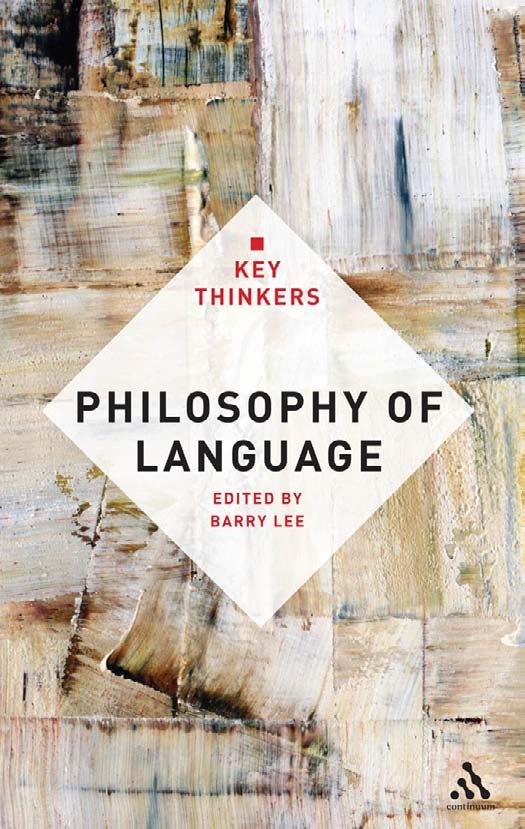
Unlocking Meaning: Why the Philosophy of Language Matters
Words shape our world. They carry meanings, express intentions, and bridge thoughts between minds. The Philosophy of Language offers a focused, accessible path into how language connects to truth, thought, and communication. This concise volume is tailored for students, teachers, and general readers who want a clear map of the central questions driving contemporary analytic philosophy.
About the Book
The Philosophy of Language presents a carefully curated collection of ideas and figures that have shaped how we think about language today. It distills complex debates into an approachable format, enabling readers to grasp the core problems that animate discussions about meaning, reference, truth conditions, and how interpretation guides understanding. Whether you are new to the field or seeking to refresh your grasp of key concepts, this book provides a solid foundation and a gateway to deeper study.
What You’ll Learn
- Meaning and Reference: How words relate to the objects, ideas, and states of affairs they aim to depict.
- Truth Aims: The role of truth in linguistic judgments and how speakers assess the accuracy of statements.
- Speaker Intent and Context: How intention, context, and use influence interpretation and communication.
- Language and Thought: The interplay between linguistic structures and cognitive processes.
- Interpretation and Understanding: The mechanics of how listeners derive sense from utterances in everyday and analytic settings.
- Analytic Perspectives: An introduction to key theories and figures shaping contemporary debates in philosophy of language.
Who Should Read This
This volume is ideal for students beginning their exploration of analytic philosophy, teachers seeking a clear primer for classroom use, and general readers with a curiosity about how language shapes reality. If you want a concise overview that still covers the essential debates—without getting lost in jargon—this book is for you. The discussion is deliberately accessible, yet it does not shy away from the depth and nuance that characterize serious scholarly engagement.
Why It Stands Out
In a field crowded with dense tomes and sprawling arguments, this volume distinguishes itself by delivering clarity without sacrificing rigor. It brings together the most influential ideas and figures into a cohesive narrative that maps the central questions in the philosophy of language: how words connect to what they stand for, how truth hinges on linguistic use, and how interpretation unfolds in real communication. For readers who crave a solid, well-structured introduction that can serve as a reliable reference point throughout their studies, this book offers both accessibility and intellectual bite.
A Structured Path to Mastery
With a logical progression from basic concepts to more intricate debates, the book provides readers with a dependable framework. You’ll start with foundational notions, move through critical theories, and emerge with a confident understanding of where current discussions stand and why they matter for understanding language in everyday life, education, and scholarly inquiry.
Closing thought
Language is more than a vehicle for thoughts—it is the mechanism by which we share, contest, and refine our understanding of the world. The Philosophy of Language invites you to explore this dynamic relationship, equipping you with the tools to think more clearly about words, meanings, and communication. If you’re ready to deepen your grasp of how language works, this concise, insightful introduction is a compelling choice that will stay with you long after you finish the last page.