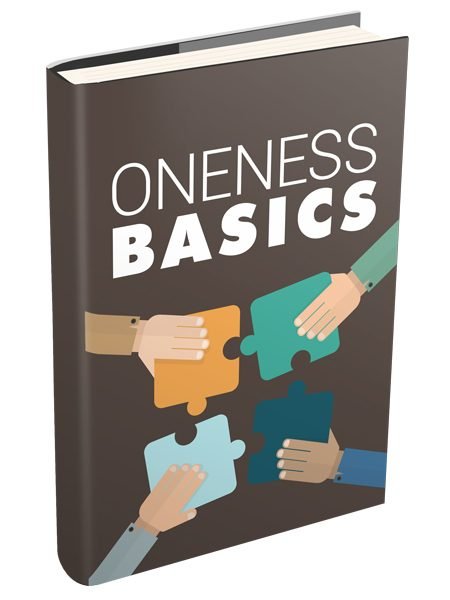
Unlocking Unity in Everyday Life: A Practical Guide That Transforms Relationships and Teams
In a world full of divergent beliefs and competing voices, Oneness Basics offers a practical, actionable path to harmony. This concise, motivating guide reframes unity not as a lofty ideal but as a workable mindset you can apply in daily life—whether you’re at home, in the workplace, or within a community group. The author presents a clear, repeatable framework: cultivate a “unity mentality” grounded in “we” over “me,” practice live-and-let-live principles, and implement concrete steps that reduce conflict and boost collaboration. If you’re seeking a dependable blueprint for cooperation, Oneness Basics is a compelling addition to your bookshelf.
About the Book
Oneness Basics dives into why unity matters beyond feel-good sentiments. It explains how self-serving attitudes can erode group harmony and how choosing a live-and-let-live approach when beliefs differ can dramatically lessen friction. Through concise chapters, readers are guided to identify mindsets that hinder cooperation and replace them with strategies that nurture mutual respect, clear communication, and shared purpose. The book introduces a practical “unity mentality” rooted in collective success and shows readers how to recognize opportunities for collaboration within any group dynamic. It’s a motivational, hands-on manual designed for real-world application—from team huddles to family discussions to community initiatives.
What You’ll Learn (Key Takeaways)
- Adopt a unity mindset: Shift from individual agendas to a “we” perspective that supports common goals.
- Live and let live: Navigate differing beliefs with respect, reducing conflict and fostering trust.
- Improve communication: Use practical techniques to listen deeply, speak clearly, and align expectations.
- Address problems constructively: Move from blame to collaborative problem-solving with actionable steps.
- Promote inclusive teamwork: Build rituals and activities that create shared purpose and stronger bonds.
- Plan effective team-building: Develop activities that reinforce unity, clarify roles, and celebrate progress.
Who Should Read This Book
Oneness Basics is ideal for anyone who works with others or lives within groups. It speaks to managers seeking cohesive teams, colleagues striving for harmonious collaboration, educators guiding diverse classrooms, and community leaders aiming to unite volunteers toward a common mission. If you’ve ever felt tension from conflicting viewpoints or wished for steadier cooperation, this book offers practical guidance you can start applying today.
Why It Stands Out
What sets Oneness Basics apart is its focus on actionable, repeatable practices rather than abstract ideals. The author translates the concept of unity into step-by-step methods you can implement immediately—whether you’re leading a meeting, mediating a dispute, or coordinating a volunteer project. The emphasis on a “we” rather than a “me” perspective resonates across diverse settings and beliefs, enabling readers to create inclusive environments where ideas can thrive and collaboration becomes the norm. The short, digestible chapters make it easy to digest and practice the principles in small, sustainable increments.
Closing: A Practical Invitation to Build Cooperation
Imagine teams that communicate with clarity, families that resolve disagreements with empathy, and communities that rally around shared purpose. Oneness Basics offers a practical pathway to that reality. By embracing the unity mentality and applying the concrete steps outlined in the book, you can reduce conflict, improve relationships, and unlock greater collective achievement. This is more than theory—it’s a dependable toolkit for everyday cooperation. If you’re ready to cultivate a culture of collaboration and shared success, Oneness Basics is the guide you’ll turn to again and again.